Title: The Ultimate Guide to Kids Bunk Beds
Intro
As children grow, so does their need for area and storage options. Many Sheaman are an outstanding way to take full advantage of space while providing a fun and practical sleeping arrangement for your kids. This comprehensive guide will check out the various types, advantages, safety factors to consider, and FAQs associated with kids bunk beds.
I. Types of Kids Bunk Beds
- Requirement Bunk Beds: These are the most typical type, including two twin-sized beds stacked on top of each other.
- Futon Bunk Beds: The bottom bunk is changed with a futon, providing a sofa and a bed in one piece of furnishings.
- Twin-Over-Full Bunk Beds: The bottom bunk is bigger, accommodating a full-sized mattress, while the top bunk is a twin.
- L-Shaped Bunk Beds: These include 2 beds placed perpendicularly, providing more flooring space underneath.
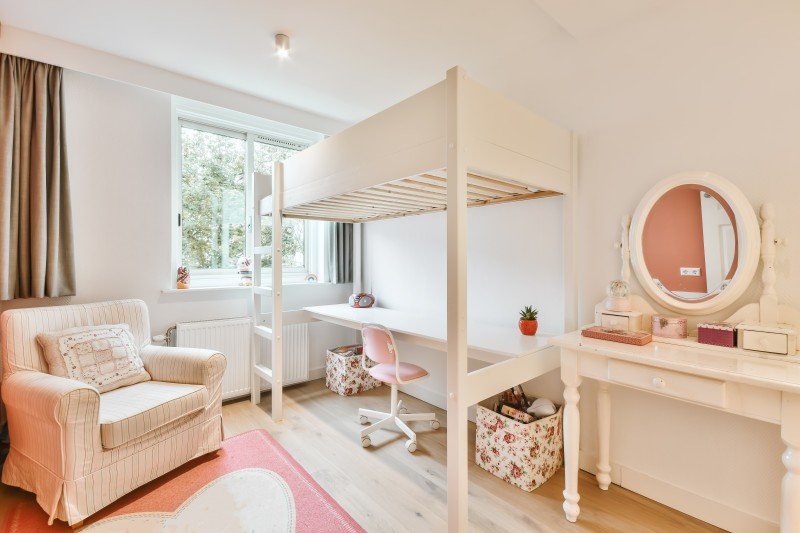
- Loft Bunk Beds: A single bed is placed on a raised platform, leaving space for a desk, play location, or storage underneath.
II. Advantages of Kids Bunk Beds
- Space-Saving: Bunk beds are perfect for smaller sized bedrooms, maximizing flooring space for other activities and furniture.
- Enjoyable and Exciting: Children frequently delight in the novelty and experience of climbing to their own private sleeping location.
- Cost-Effective: Purchasing one bunk bed is more cost effective than purchasing 2 separate beds.
- Versatile: Many bunk beds can be separated into two different beds as children get older or when area allows.
- Built-In Storage: Some bunk beds come with integrated storage services, such as drawers, desks, or shelves.
III. Safety Considerations
- Sturdy Construction: Ensure the bunk bed is made from sturdy, long lasting materials and has a safe and secure ladder for safe gain access to.
- Correct Spacing: Gaps between the mattress and the frame need to be less than 3.5 inches to prevent entrapment.
- Appropriate Height: Select a bunk bed with a suitable height for your child, considering their age, size, and ability to climb and down safely.
- Secure Mattresses: Use the proper size mattress and secure it to the bed frame to prevent it from shifting during sleep.
- Guardrails: Ensure guardrails are installed on both sides of the leading bunk and are at least 5 inches greater than the top of the mattress.
IV. FAQs
- What is the perfect age for a child to sleep on the leading bunk?It is usually recommended to wait till a child is at least six years old before enabling them to sleep on the top bunk.
- Can bunk beds be separated into 2 separate beds?Yes, some bunk beds can be dismantled and converted into 2 separate beds.
- Just how much area is required in between the bottom of the leading bunk and the top of the bottom bunk?A minimum of 2 feet 8 inches is advised for head clearance on the bottom bunk.
- Are bunk beds safe for children?When properly assembled and used, bunk beds are safe for children. Always follow security guidelines and guarantee your child understands the rules for using the bunk bed.
V. Conclusion
Kids bunk beds are a practical and enjoyable service for maximizing space and providing a special sleeping experience for your children. By considering the different types, advantages, and security considerations, you can make an informed choice when selecting the ideal bunk bed for your family.